
One of the best things about an epoxy floor is how little it asks of you. Once it is down, there are no grout lines to scrub, no sealing rituals every season and no special equipment to buy. But "low maintenance" is not the same as "no maintenance", and the handful of homeowners who end up disappointed with a dull or scratched floor almost always got there by cleaning it the wrong way. We lay epoxy floors for Cape Town property owners every week, and the question that comes up again and again afterwards is simply: now that it is in, how do I keep it looking like this? This is a plain, honest guide to epoxy floor maintenance — what to do, what to avoid, and how to protect that glossy finish for the long haul.
Key takeaways
- Keep it simple. A soft broom or dust mop plus a damp microfibre mop with warm water and a pH-neutral cleaner is all routine cleaning needs.
- Skip the harsh stuff. Strong acids, vinegar, bleach-heavy cleaners and abrasive pads dull and etch the coating over time.
- Deal with spills quickly — oil, chemicals and tyre marks are easy to remove early and much harder once they sit.
- Protect, don't drag. Mats, felt pads and lifting heavy items rather than sliding them keep the gloss intact for years.
Daily and weekly cleaning
The foundation of caring for epoxy floors is keeping grit off the surface. Fine sand, dust and stones act like sandpaper underfoot, and over months they are the single biggest cause of a floor losing its shine — which matters a lot in Cape Town, where wind carries plenty of dust and beach sand indoors. So the most important habit is the easiest one: give the floor a regular pass with a soft broom or a dust mop to lift loose debris before it gets ground in. In a garage or workshop, doing this a couple of times a week makes a real difference.
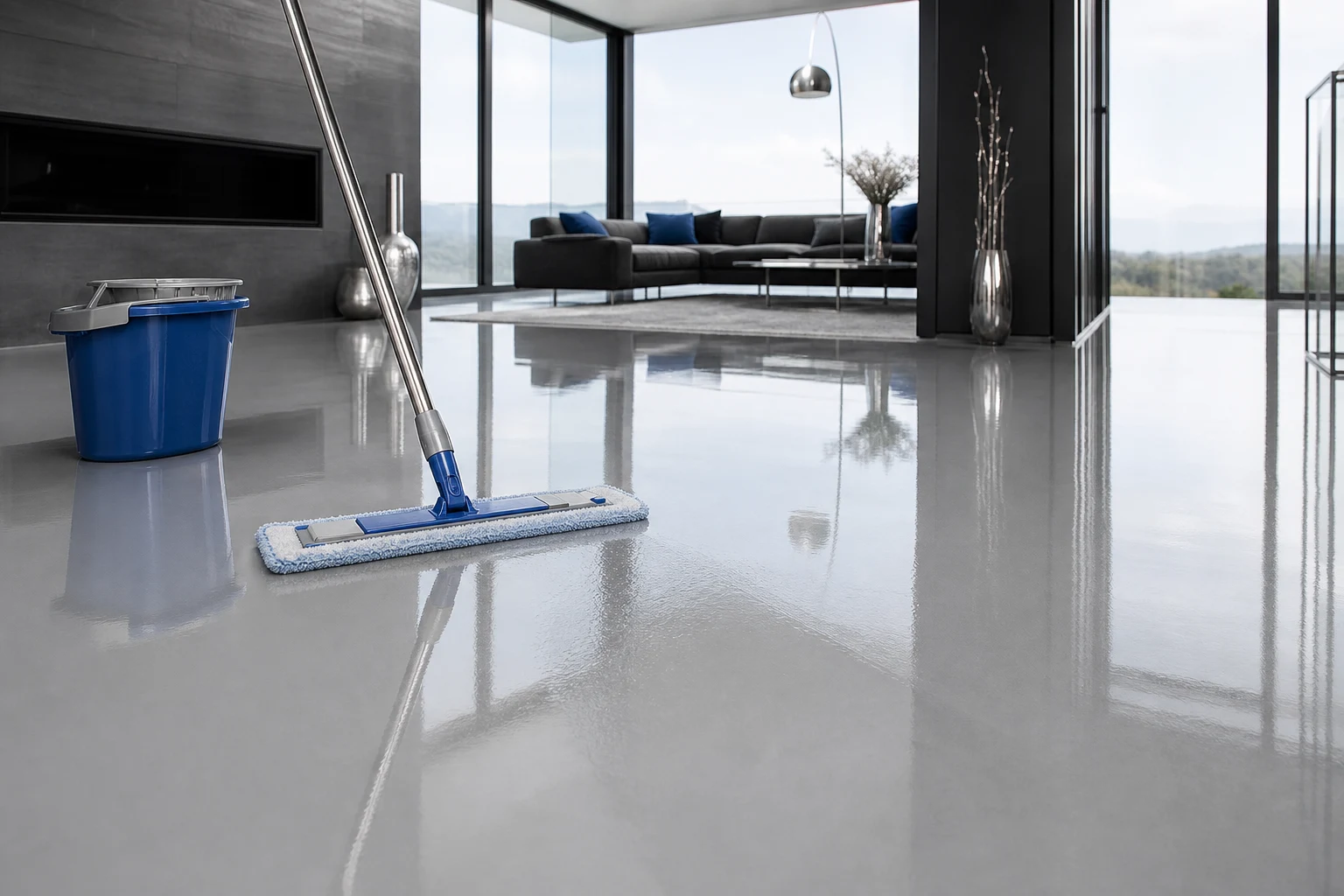
For the actual wash, you do not need anything special. The reliable method for how to clean an epoxy floor is a microfibre mop, warm water and a small dose of pH-neutral cleaner — the kind sold for sealed or coated floors. Wring the mop out so it is damp rather than dripping, work in sections, and if you have used cleaner, follow with a pass of clean warm water so nothing dries on the surface and leaves a film. A flat, seamless epoxy floor genuinely mops clean in minutes, which is exactly why it suits busy homes and garages so well. For larger living areas finished in epoxy, the routine is identical — the floors people choose for indoor spaces under residential epoxy floors are cleaned the same gentle way as a garage, just a little more often where there is more foot traffic.
What to avoid
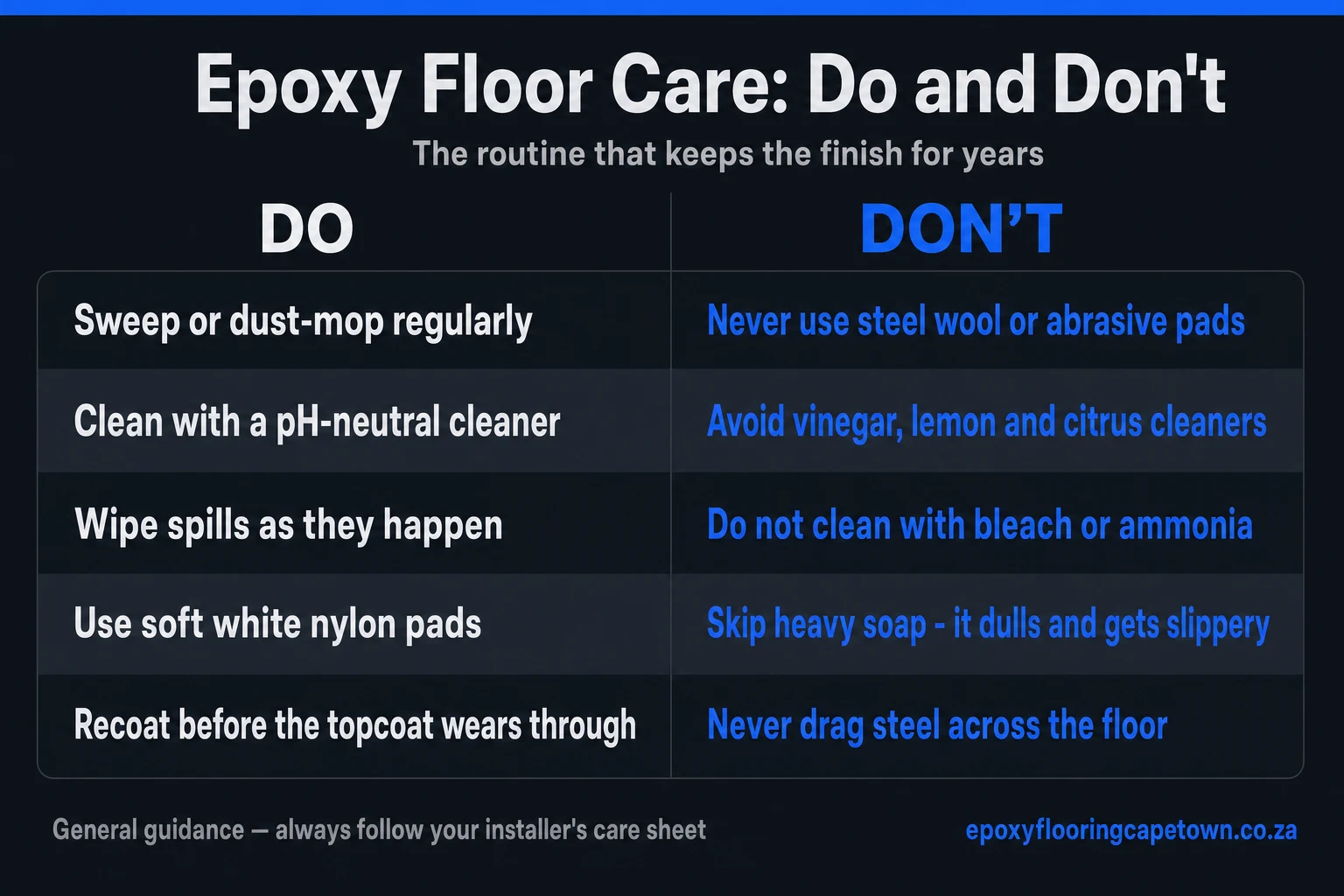
This is where most floors get damaged, so it is worth being clear. The biggest mistakes in epoxy floor maintenance are reaching for products that are too aggressive for the coating. Harsh acids and acidic cleaners can etch and dull the surface. Undiluted or strong-concentration vinegar — a popular "natural" cleaner — is acidic too, and used regularly it slowly attacks the gloss, so it is best left out of your routine entirely. Bleach-heavy and citrus-based cleaners fall in the same camp: fine in a pinch, but not something to mop with week after week.
Tools matter just as much as products. Abrasive scouring pads, wire wool and stiff wire brushes will scratch the finish, and so will dragging sharp or heavy metal objects — a toolbox, a steel shelving unit, a jack — straight across the floor. Steam mops are another one to skip on epoxy: the combination of heat and moisture is unnecessary and can soften or lift the coating over time. Stick to soft, non-abrasive tools and the floor will keep its showroom look. If you want a fuller picture of where epoxy shines and where its limits are, our honest rundown of the pros and cons of epoxy covers the trade-offs worth knowing before and after the install.
Dealing with spills, stains, oil and tyre marks
Epoxy is non-porous, which is a huge advantage: spills sit on top of the surface instead of soaking in, so almost everything wipes away if you get to it reasonably soon. The golden rule is simply to deal with spills promptly. Water, drinks and household messes need nothing more than a cloth or a damp mop. The point is to clean them up while they are fresh rather than letting them dry on.
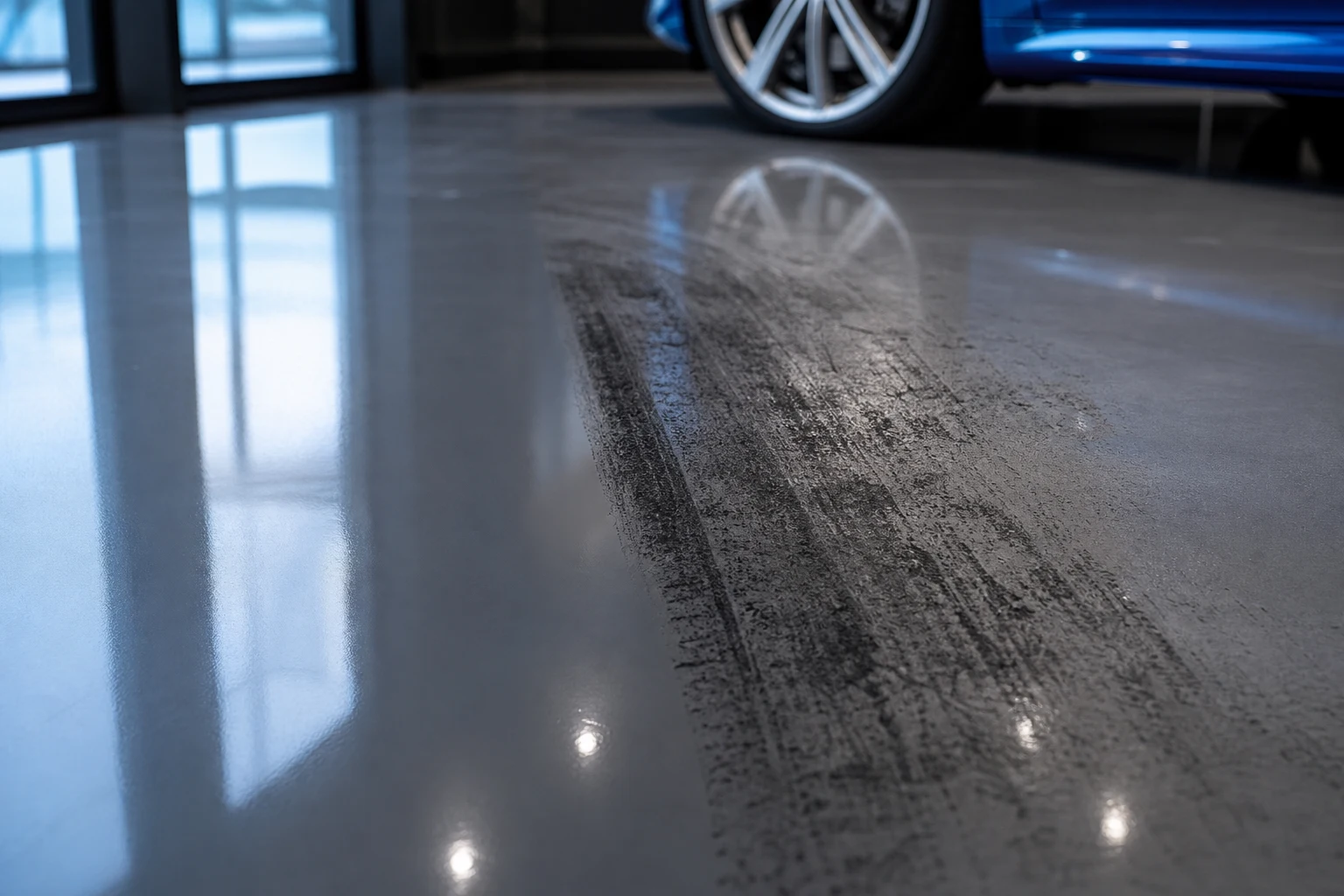
Oil, grease and chemical drips — common in a working garage — are just as manageable. Wipe up the bulk first, then clean the area with warm water and a pH-neutral or mild degreasing cleaner, and rinse. Because nothing penetrates the coating, you very rarely get the permanent staining you would on bare concrete. Tyre marks, those dark scuffs hot tyres leave when a car sits in the same spot, respond well to a little warm water and degreaser left to soften for a few minutes, then a gentle going-over with a soft brush or non-abrasive nylon pad. Resist the urge to attack a stubborn mark with anything metal or abrasive — patience and the right cleaner win without harming the gloss. This is the routine that keeps a garage epoxy floor looking new, since that is where hot tyres do most of their marking.
Protecting the gloss
A bit of prevention does more for the long-term look of an epoxy floor than any cleaning product. The aim is to keep abrasion and point-loads off that smooth top layer. A few simple measures go a long way:
- Mats at entry points. A doormat or a strip of matting where people and cars come in catches the grit and sand before it reaches the floor — the single most effective thing you can do.
- Felt pads and protectors under furniture. Stick felt pads under chair legs, workbenches and shelving so nothing scrapes the coating when it shifts.
- Parking mats in the garage. A mat under each tyre stops hot-tyre marks forming and shields the floor where a vehicle sits day after day.
- Lift, don't drag. When you move something heavy, lift it or use a wheeled trolley rather than sliding it across the surface.
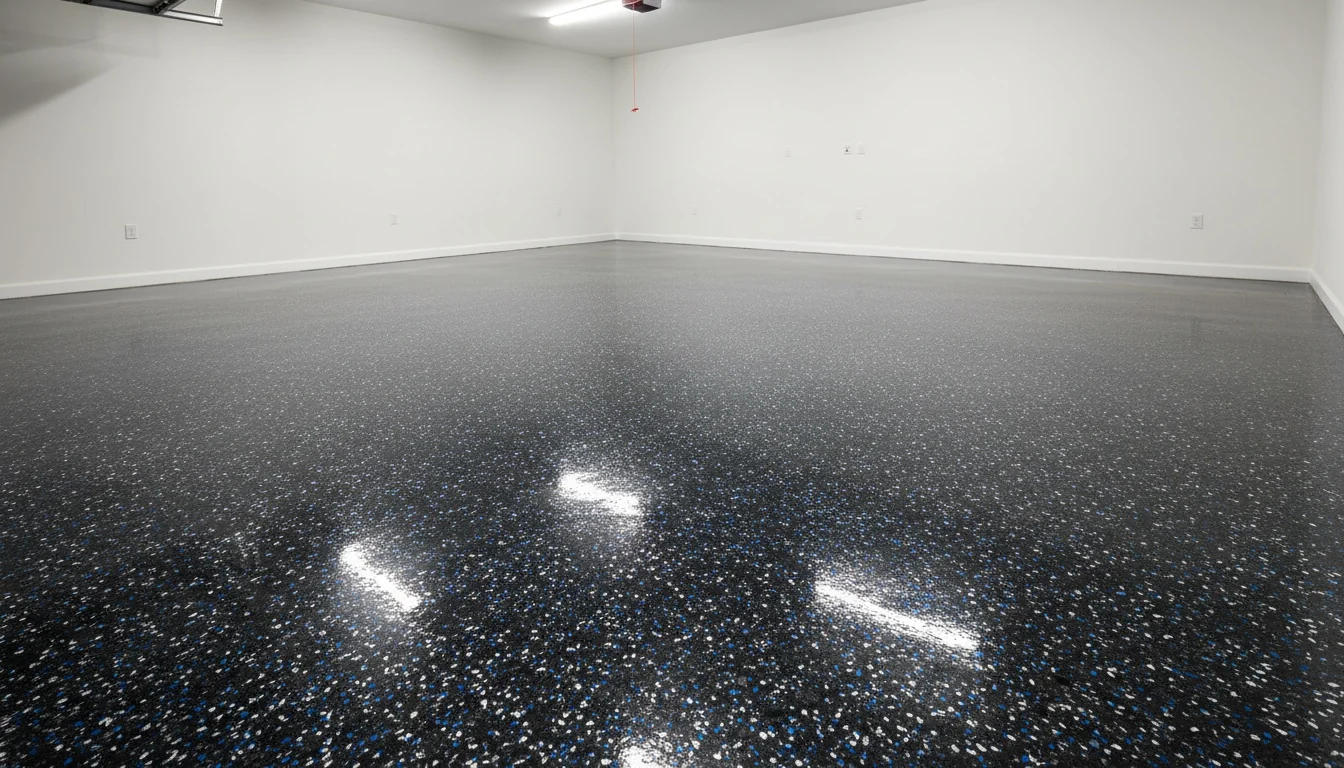
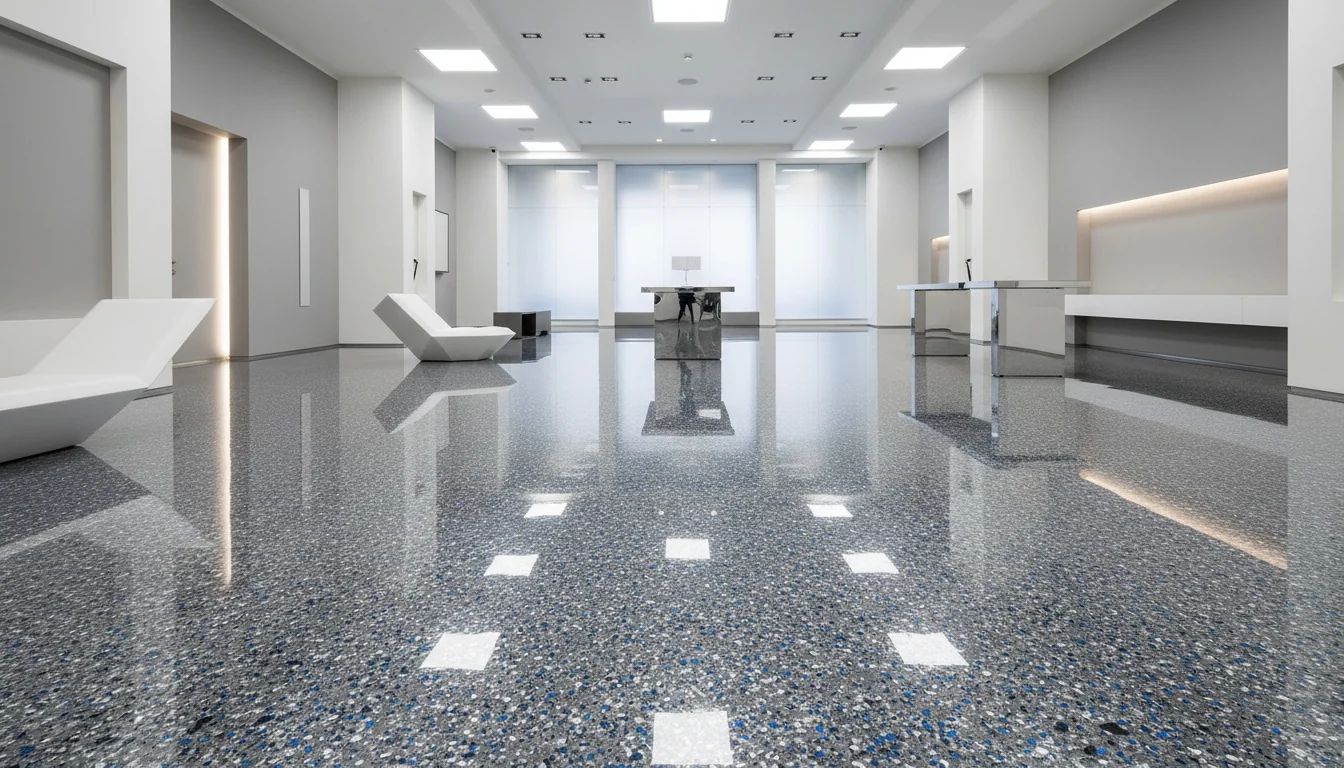
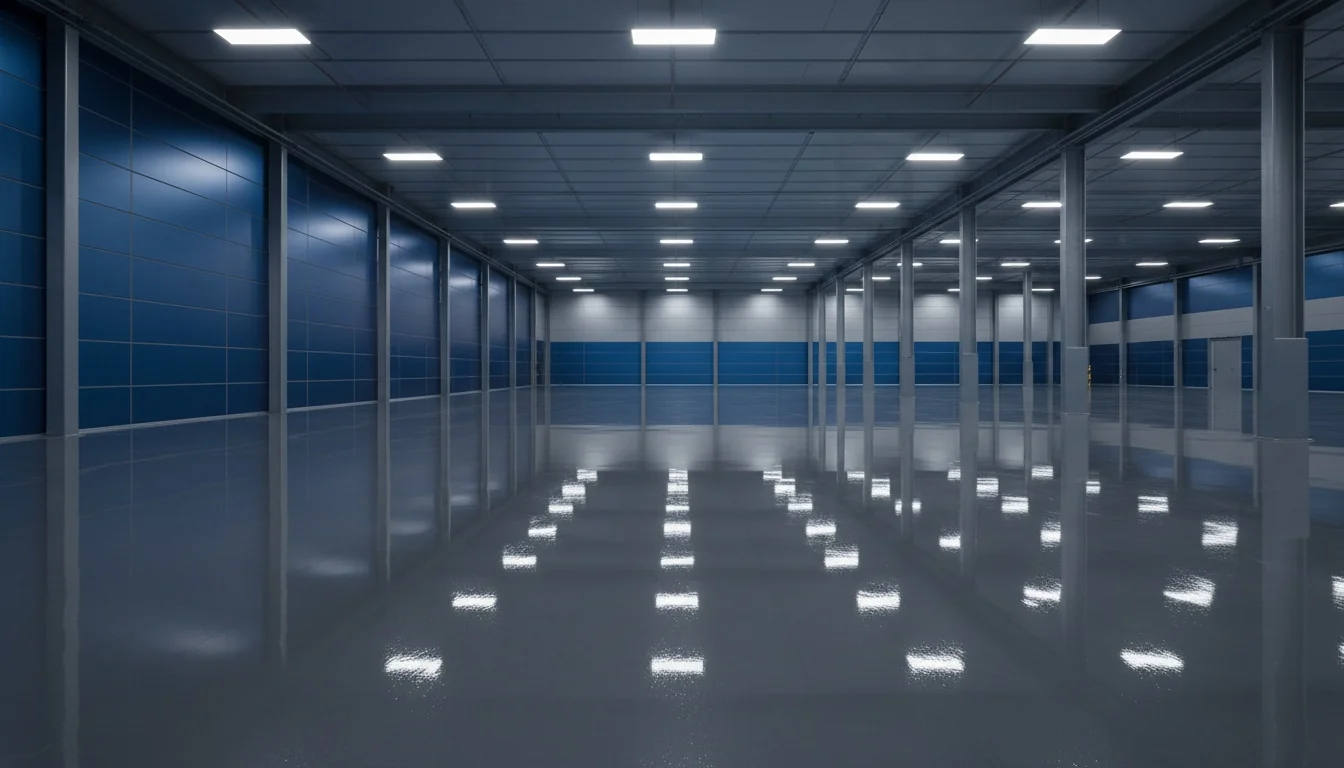
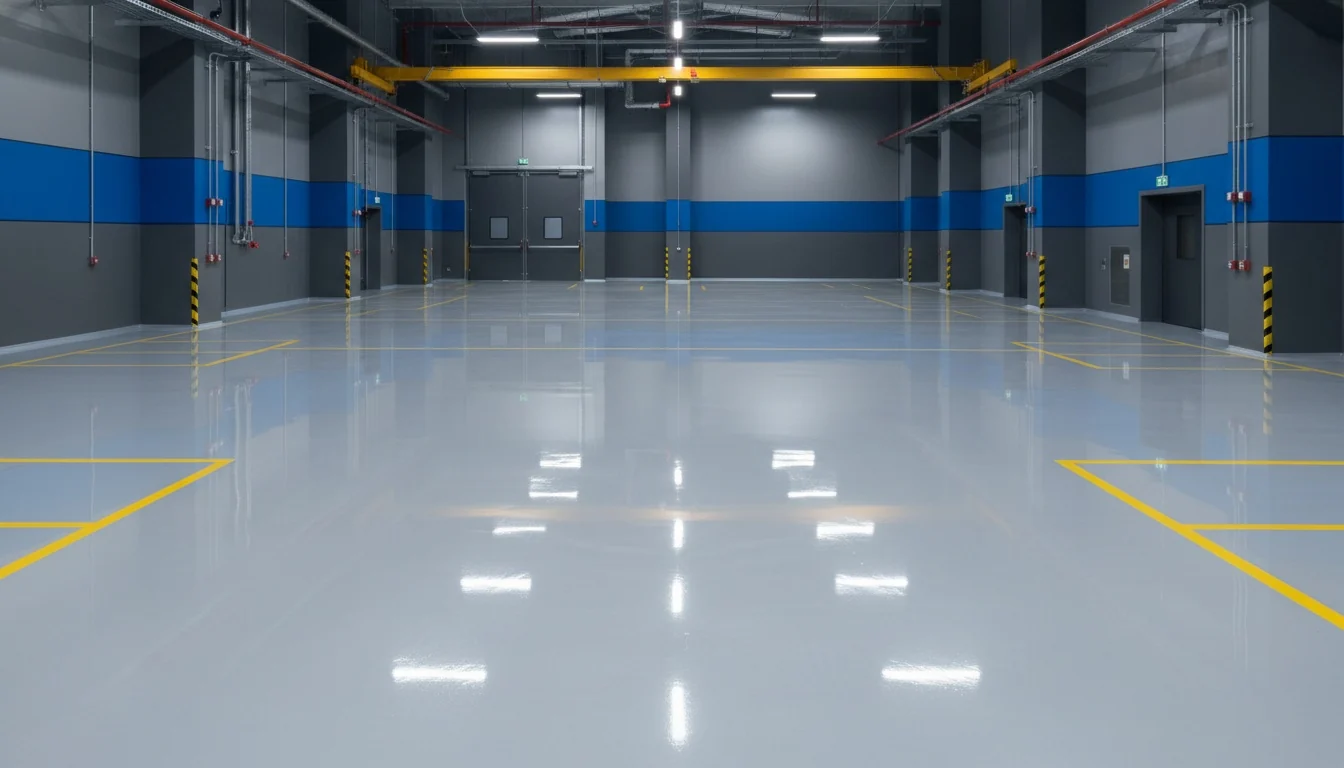
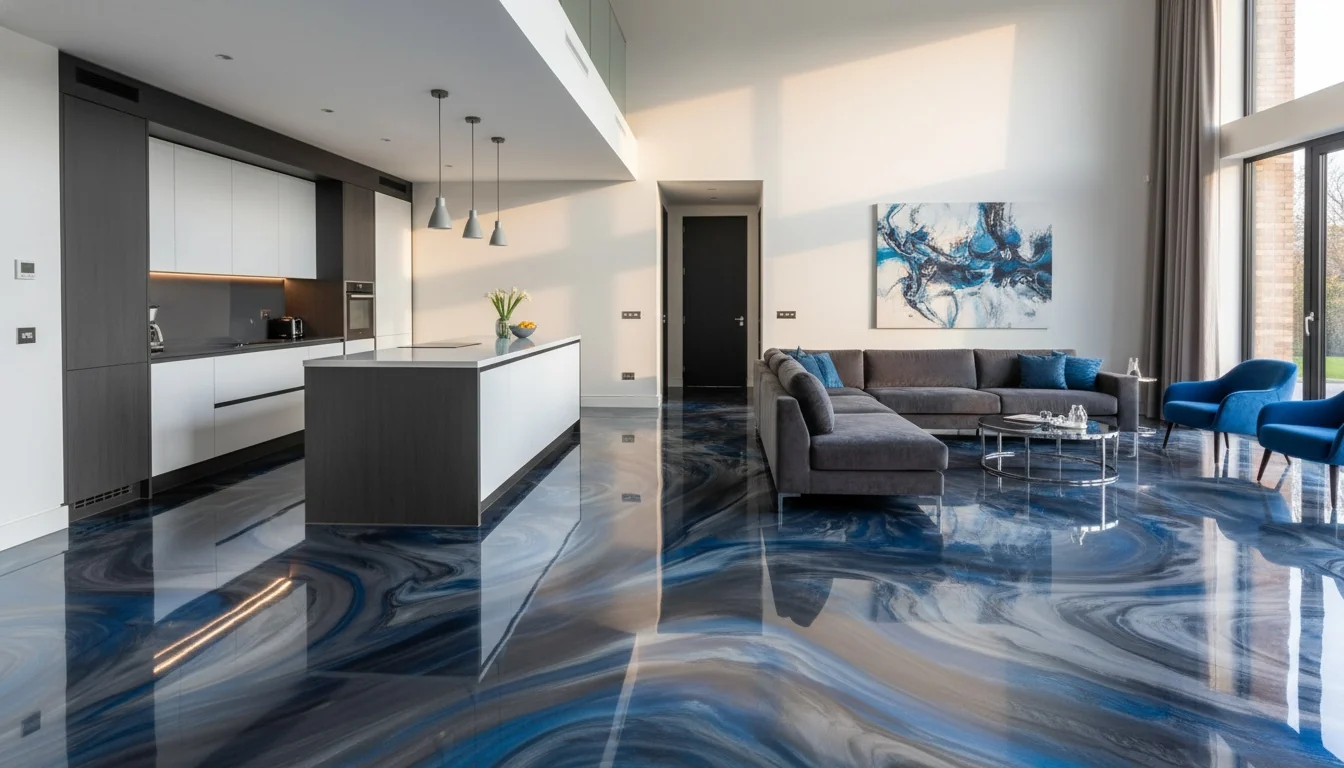
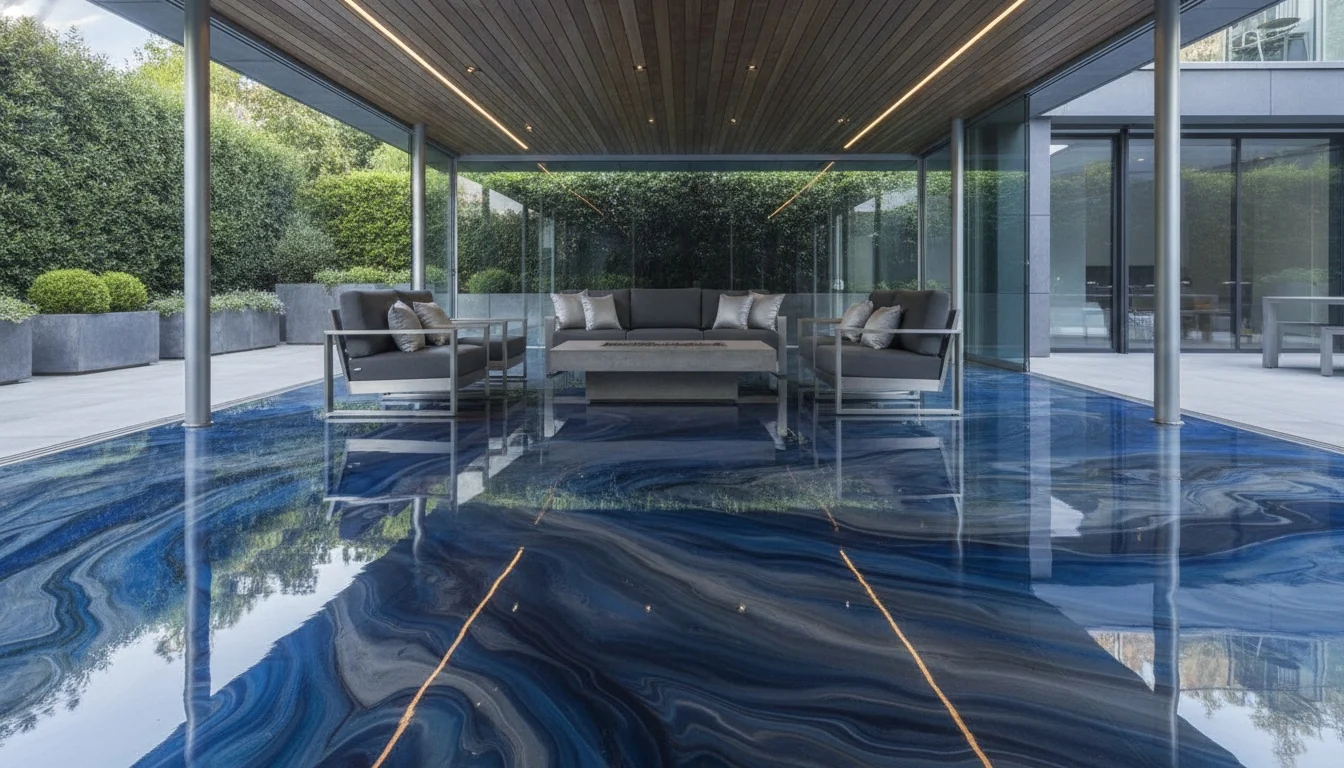
None of this is demanding — it is just a handful of small habits that keep the floor looking poured and new. If you have seen the finishes in our gallery and wondered how they stay so glossy, this is the whole secret: those are finish examples, and the floors that hold that look over the years are simply the ones that get gentle cleaning and a little everyday protection.
Long-term care and when to recoat
Caring for epoxy floors over the long run is mostly a continuation of the basics: sweep regularly, mop gently, deal with spills, protect against grit and drags. Do that and a quality epoxy floor will hold its gloss and toughness for many years. It is worth getting to know your own floor, too — a quick glance now and then for any chips, worn patches or hairline marks lets you catch wear early rather than after it has spread.
Eventually, in a very high-traffic space, the top layer can lose a little shine through sheer use. That is not a failure — it is normal wear, and the fix is straightforward: an installer applies a fresh top-coat that restores the gloss and the protective layer, usually without redoing the whole floor. In a typical Cape Town home this is a long way off, often a decade or more, which is part of why epoxy is such good value over its lifetime. If you are curious about lifespan and what drives it, we go deeper into how long an epoxy floor lasts and the factors that make one floor outlast another. When the time does come to refresh or recoat, an experienced installer can assess the floor on-site and advise honestly on whether a top-coat or a fuller redo is the right call — and indicative installation pricing in the region of R250 to R750 per m² is set out in plain terms on our pricing page.
The short version
Keeping an epoxy floor beautiful is genuinely simple: lift the grit with a soft broom or dust mop, mop with a microfibre mop, warm water and a pH-neutral cleaner, skip the acids and abrasives, mop up spills while they are fresh, and protect the surface with a few mats and felt pads. Get those habits right and the floor rewards you with years of low-fuss, glossy, hard-wearing service — which is exactly what an epoxy floor is for.